← Back to Verdikt
Compact Sedan/Hatchback

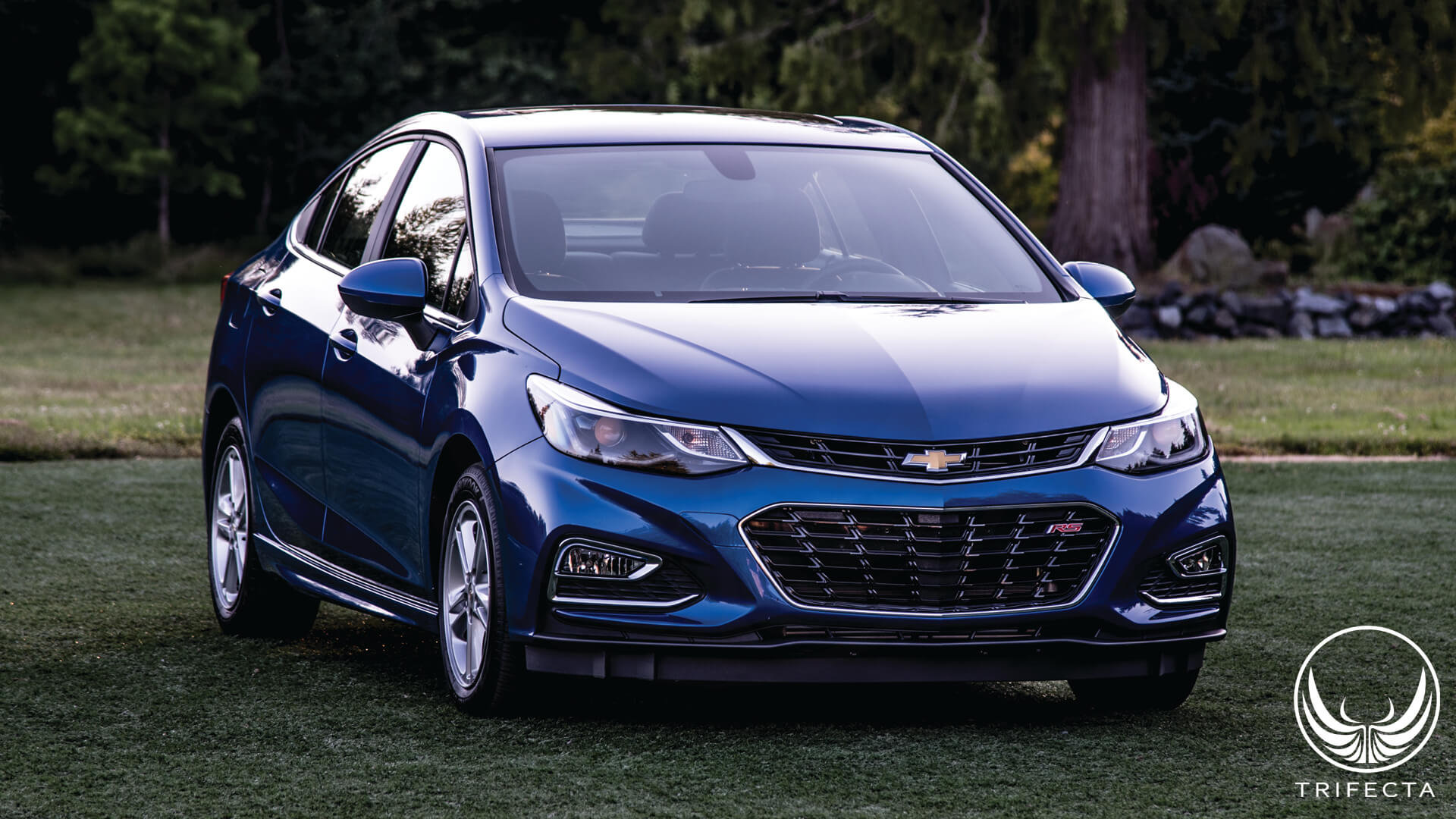
Chevrolet Cruze

Chevrolet Cruze
5.2 OUT OF 10
⚠ Caution
Mixed signals, know the tradeoffs
Compact Sedan/Hatchback
298 sources · updated June 2026
⚠ Elevated risk
First-generation models (2011-2015) suffer from systematic PCV valve failures that pressurize the crankcase and blow oil seals throughout the engine, leading to multiple leak points and expensive repairs. Turbo-related components including oil filter housing and intake manifold also fail predictably. Second-generation models (2016+) largely resolved these issues.

Generation matters more than mileage with this compact. The 2011-2015 models earned their troubled reputation through a cascade of PCV valve failures that pressurize the crankcase and blow oil past every seal in reach, valve covers, timing covers, turbo lines all start weeping, turning ownership into a parts-replacement cycle. Coolant systems corrode from the inside out when neglected, and by 100k miles repair bills often exceed resale value. The 2016-2019 redesign fixed most of these gremlins and delivers the comfortable, well-equipped compact GM should have built from the start, but those improved cars are scarce on used lots. Manual transmissions of any year hold up better than automatics. If you're shopping used, a 2017 with 80k miles is a safer bet than a 2013 with 50k, the generation gap is that wide. Skip the first-gen unless you enjoy wrenching or have a trusted mechanic on speed dial.

The generation that matters
This product isn't one story — here's how each era is regarded.
1st generation (2011–2015)
2011–2015
Compromised
Owners report chronic issues with the 1.4T engine (PCV failures causing oil leaks, turbo problems, coolant system corrosion). Manual transmissions fared better than automatics, but overall reliability was poor.
2nd generation (2016–2019)
2016–2019
Solid
Redesigned with roomier interior, improved tech (CarPlay/Android Auto), and a more reliable 1.4T engine. Users note better comfort and fewer chronic issues, though AC condenser failures remain common. Diesel and hatchback variants added appeal.
Common complaints7 issues
First-generation (2011-2015) plagued by PCV valve failures causing oil leaks and seal damage
Turbocharger and related components (oil filter housing, intake manifold) require frequent attention
Coolant system issues including electrolysis corrosion eating aluminum components
City fuel consumption disappointing for engine size (9-10 L/100km typical)
Transmission issues reported, especially on automatic models
High repair costs relative to vehicle value after 100k miles
Parts availability concerns in some markets after GM brand exits
What owners praise7 strengths
Comfortable ride quality and spacious interior for the class
Upscale infotainment system with good tech features
Second-generation 1.4T (2016+) shows improved reliability over first-gen
Manual transmission models prove more durable than automatics
Generous cargo space, especially in hatchback configuration
Good highway fuel economy when running properly (15+ km/L reported)
Attractive styling inside and out, stands out from typical compacts
📊 How this score was calculated — 6-dimension rubric
High confidence
298 sources analysed with long-term owner data present
298 sources analysed — strong data quality
Reliability & Durability(22%)4.0
12 positive vs 18 negative long-term reports
User Sentiment(22%)6.7
1,847 positive upvotes vs 892 negative upvotes
Complaint Severity(16%)6.5
Complaints: 8 cosmetic, 47 functional, 23 systematic, 2 safety
Consensus Strength(8%)1.6
Opinion is use-case dependent — product divides opinion by intended use
Value for Money(15%)2.9
8 'worth it', 6 'overpriced', 19 mention better-value alternatives
Owner Advocacy(17%)4.0
3 repurchased/gifted, 7 unprompted recommendations, 12 regrets
⚠ Systematic failure pattern reported by multiple independent owners
Scores are percentile ranks: 5.0 is the median product in existence. 8.5+ is reserved for genuinely exceptional products (top ~10%). The score reflects consensus quality, what owners say about the product. Risk is tracked separately and shown above the summary when present. Both are calculated deterministically, so the same signals always produce the same score.
Specifications2017
Pricing
Starting MSRP
$17,850
Range
$17,850 - $24,350
Capability
Fuel economy
31-37 MPG combined (gas), 37 MPG combined (diesel)
Drivetrain
Front-Wheel Drive
Dimensions & capacity
Seating
5 passengers
Cargo
14-15 cu ft (sedan)
Powertrains
1.4L Turbo I-4
standard on all trims
153 hp · 177 lb-ft
1.6L Turbodiesel I-4
diesel, sedan only, available 2017+
137 hp
Trim pricing
L
base trim
$17,850
LS
$19,400
LT
$21,720
Premier
power driver seat, navigation available
$24,350
If you're buying
Know what others paid before you walk in.
Was this verdict helpful?